What Do Your Eating Habits Reveal About the Way You Live? | The Mindset Diet
Your eating habits can reveal patterns in the way you live. Whether you eat on the go, regularly skip meals or rely on quick fixes may reflect how you manage stress, use your time and prioritise your own wellbeing.
If you’re a busy professional woman, chances are you’ve sacrificed more than a few meals to your demanding schedule. Long working hours, back-to-back meetings and the relentless pressure to deliver results can push your own needs to the bottom of your priority list. Add managing a home, family and perhaps ageing parents, and it’s easy to find yourself eating on the go, skipping meals and grabbing whatever is convenient.
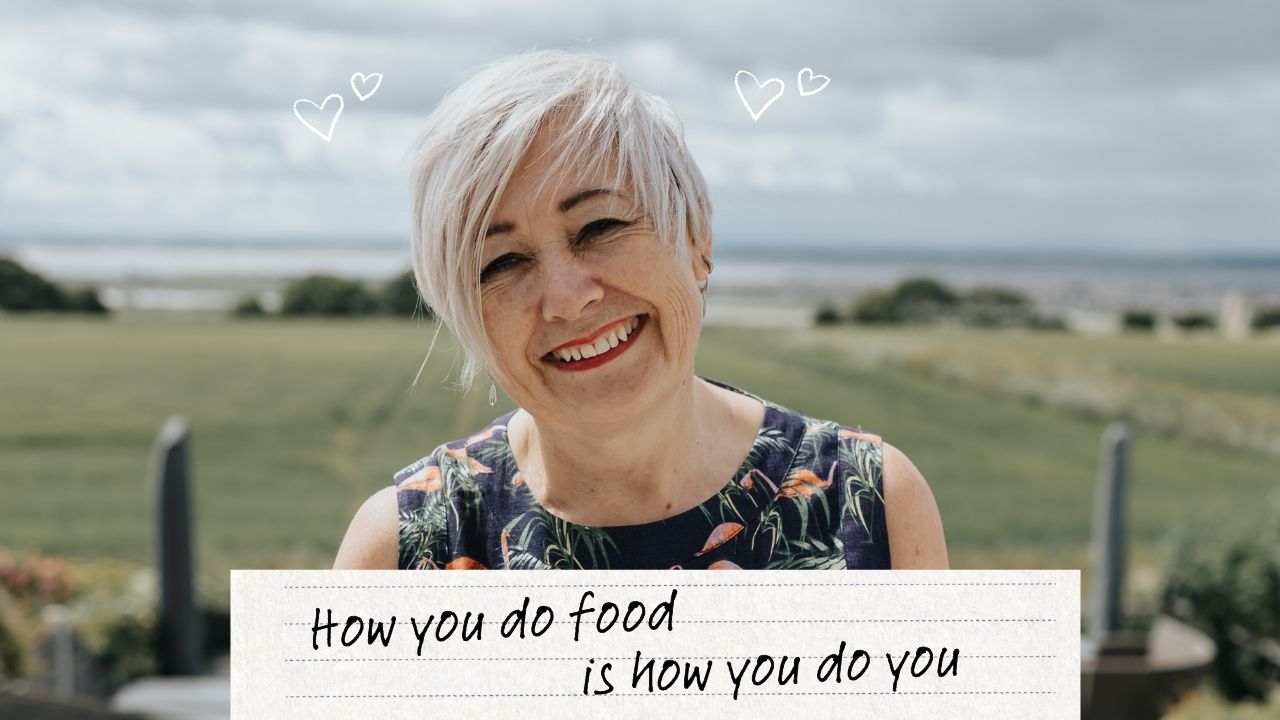
I have a theory: how you do food is how you do you.
What do I mean by that? The choices you make about what, when, where, why and how you eat may reveal patterns that show up in other areas of your life too.
Becoming aware of this connection and any patterns you have is the first step toward creating lasting change, not just in your eating habits, but in how you live your life.
What Might Your Eating Habits Be Telling You?
Our eating habits are more than just practical decisions; they’re deeply connected to our beliefs.
Eating on the Go
Spinning plates, multi-tasking, rushing from one meeting to another often means grabbing whatever’s convenient—usually something packaged or processed—with little chance to digest and enjoy. Also known as mindless eating, this mirrors a life lived in overdrive with little time to pause and reflect.
Skipping Meals
If you regularly skip meals, it could reflect a tendency to put others' needs or work demands ahead of your own. It’s as if you’re telling yourself that your well-being can wait—until it can’t. Perhaps it a sign you’re heading towards burn out.
Quick Fixes and Fast Food
When you rely on quick, less-nutritious meals, it’s often a sign that you’ve sidelined planning and preparation possibly due to stress, exhaustion or simply prioritising something else. Perhaps you find yourself forgetting or putting off until tomorrow packing your lunch, preparing tomorrow night’s food. We may all do this occasionally, but as a habit it points to a reactive approach to life rather than a proactive one, and perhaps it’s time to slow down and put your wellbeing first.
Your eating habits might be a clue to other aspects of your life that could benefit from changes.
How Do Your Beliefs and Language Shape Your Eating Habits?
The stories you tell yourself shape not just your actions but also your self-perception. Language is the lens through which we see ourselves, and the words you use around food can reveal—and reinforce—your core beliefs. These beliefs don’t just shape your eating habits; they show up everywhere.
“I’m an All-or-Nothing Person”
Do you swing between extremes—strict dieting one moment and indulging the next? This all-or-nothing mindset might also show up in other areas, like saving aggressively but then overspending or going full throttle at work until you burn out. Identifying your beliefs helps you shift habits that aren’t serving you well and in this case to aim for consistency instead of dramatic highs and lows.
The either/or thinking pattern of “Good” and “Bad”
Do you label your choices as “good” or “bad”? For instance, “I’ve been bad because I ….” or “I’m good because I ..…” This black-and-white thinking can create guilt and judgment, not just in food but in your finances, work, or relationships. Shifting to neutral, specific language—like “I chose to have dessert today”—can reduce self-criticism and foster healthier habits.
The Power of “I Am...”
Phrases like “I’m an emotional eater” or “I’m terrible with money” create fixed identities that feel unchangeable. Instead, reframe these as behaviours: “I have a habit of eating when I’m feeling emotional” or “I sometimes struggle to save.” The first defines who you are; the second gives you the freedom to change.
By rewriting your internal narrative, you can approach challenges with more compassion and clarity and with more ease and flow.
Could Putting Yourself Last Be Affecting Your Success?
When food and your own wellbeing become an afterthought, the effects can ripple into other areas of your life — including the energy, clarity and confidence you bring to your work.
Physical Health:
In addition to weight gain, weight loss and digestive issues, eating poorly can lead to fatigue, making it harder to find motivation to tackle your demanding schedule.
Mental Health:
Poor eating habits can affect your happy hormones and your sense of wellbeing. It also exacerbates stress, anxiety and decision fatigue which in turn affects your productivity.
Emotional Health:
Constantly putting yourself last can erode your confidence, self-belief and self-worth. If you neglect your basic needs, you won’t feel good about yourself.
The irony? In putting yourself last so that you can keep achieving, you may be compromising the very productivity and success you’re working so hard for.
How Can You Become More Intentional About the Way You Eat?
Food isn’t just fuel, eating nourishing food is an opportunity to reconnect with yourself and your body. Shifting your approach to food can lead to profound changes that extend into every area of your life.
Here’s how to start:
Awareness:
Take a few days to track your eating habits without judgment, which is exercise 3 in The Mindset Diet. Consider when you skip meals, grab something quick, or eat mindlessly.Notice what your triggers are. Awareness is the first step toward change.
Planning:
Commit to planning your meals for the week ahead and preparing the night before. This doesn’t mean gourmet cooking every night. It’s about being intentional and choosing to nourish yourself.
Boundaries:
Schedule time to eat. Protect that time as fiercely as you would an important meeting.
Rest and Activity:
Make sleep and movement non-negotiable as they impact your hormones. This will improve your energy levels and your food choices as you will have less cravings for unhealthy foods.
What Happens When You Prioritise Your Own Wellbeing?
Many women feel guilty about putting themselves first. We’ve been conditioned to think it’s selfish to take time out to achieve our personal goals when there’s so much else to do.
But prioritising your wellbeing isn’t being selfish—it’s essential. When you take care of yourself, you show up with more energy, clarity and compassion for yourself—and for everyone else. It’s a win-win.
Compassion, not criticism, is key.
Instead of berating yourself for not going to the gym and eating a chocolate bar instead after a stressful day, respond to yourself as you would your best friend: Accept your choice and reflect on your choice, where that decision came from and how you could manage the situation differently. Ask yourself, What do I really need at the end of a stressful day? Rest? Connection? A balanced meal? By approaching yourself with kindness, you can break the cycle of guilt, stress and sabotage that drives unhealthy habits.
Learn to say No without saying No.
You are more effective and can achieve your goals here on earth when you are focussed on your basic needs first. Decide what you need to say no to, and then learn to frame your response in a way that is helpful to the requester and you. First thank them for thinking of you and then suggest an alternative to what is being asked. Eg Saying no to working late with pizza for dinner: Thank you for your commitment to the project and suggesting we work late to achieve our target. Can I suggest we meet at 8 am instead as I am more productive first thing after a good night’s sleep.
The key to change is knowing yourself instead of following other people’s choices.
Small steps to start changing Your Eating Habits
To transform your relationship with food—and your life—start small:
Start your day with intention: Commit to eating a balanced breakfast, even if it’s something simple.
Practice conscious eating: Carve out time and a special place to eat, eat slowly and enjoy your meal.
Prepare for busy days: Keep healthy snacks on hand to avoid stopping for take aways or at vending machine. Prepare dinner the day before.
Celebrate small wins: Each step toward a healthier lifestyle and a nutritious relationship with food is progress worth celebrating. You don't have to be perfect to celebrate your progress.
Ready to Discover a Different Way to Do Food?
How you do food is how you do you. When you begin to notice your eating habits without judgement, you may also start to recognise the patterns, beliefs and priorities that are shaping other areas of your life.
If you’ve been putting off dealing with your weight gain because life and work always seem to come first, perhaps it’s time to try a different approach. Rather than going on another diet, you can start by understanding what’s driving the way you eat and what you might want to change.
Want to start in your own time?
The Mindset Diet book will help you explore your eating habits, triggers, beliefs and language through practical self-coaching activities that help you understand your own patterns and discover what works for you.
Discover The Mindset Diet book
Ready to go deeper — with some compassionate accountability?
Perhaps you already know that buying the book is the easy part. Finding the time to read it, reflect on the activities and actually make yourself a priority when work and life keep taking over can be rather harder.
One-to-one coaching gives you dedicated time and space to focus on you, with compassionate accountability to help you keep showing up for the changes you want to make. Together, we can explore what’s behind the way you do food, uncover what may be keeping you stuck and find changes that fit you, your life and the future you want.


