
MEET
CAROLINE
Author of The Mindset Diet
NLP Trainer
Health and Wellbeing Coach
I didn't set out to create The Mindset Diet. I was simply doing a self-development course.
For years, I thought about my weight in much the same way many women do. If it went up, I'd follow a diet, lose some weight and then, sooner or later, find myself back where I'd started.
What I hadn't understood was that food was only part of the story.
My eating was woven into the rest of my life: long working hours, stress, lack of sleep, the way I talked to myself, my tendency to put other people's needs before my own, and habits that had gradually become so automatic I barely noticed them.
Learning NLP in 2015 gave me a very different way of looking at those patterns. I became curious about my thinking, beliefs and the language I was using rather than simply trying to control what I ate.
My relationship with food began to change too. Instead of going on a diet, I was beginning to understand some of the reasons I had needed diets in the first place.
Over time, that personal exploration changed far more than my weight. It changed the way I thought about myself, the choices I made and the way I wanted to live. Eventually, it also changed the direction of my work and became the foundation for The Mindset Diet.
This is the story of how I got here.
I SPENT YEARS THINKING I'D DEAL WITH MY WEIGHT “TOMORROW”
I describe myself as a recovering yo-yo dieter. I started using diets as a way of controlling my weight when I was a teenager, although for many years I didn't think of myself as someone who particularly struggled with food.
When I started teaching in 1999, I was a UK size 8 bottom and size 12 top. Teaching became increasingly demanding and my life became increasingly busy. I was stressed, working very long hours and often tired. Going on a diet while trying to cope with a classroom full of teenagers and feeling hungry and grumpy wasn't particularly appealing, so I kept telling myself I'd deal with those extra pounds “tomorrow”.
Tomorrow lasted rather a long time.
Fourteen years later, I was buying size 18 bottoms and size 22 tops. I hated looking in the mirror and had become very good at choosing clothes that I hoped would hide my size.
So I did what I'd always known to do when my weight became uncomfortable. I went on another diet.
I tried Slimming World. It worked for a while, but eventually the pounds I'd worked hard to lose came back. Then I tried an eight-week sugar-free diet. Again, I lost some weight. Again, it came back.
I knew how to lose weight. What I didn't know was how to stop needing to lose it again. And I certainly hadn't made the connection between my weight and the way I was living my life.
THEN I DISCOVERED NLP
In 2015, I began studying Neuro-Linguistic Programming (NLP), and initially it had nothing to do with losing weight. It gave me a way of noticing my thinking that I'd never experienced before. I began to recognise beliefs I'd accepted as facts, become more aware of my internal chatter and see patterns in behaviours I'd previously regarded as simply “the way I am”.
I sometimes describe it as being given a remote control for my brain.
As part of my training, I experimented with the techniques on myself. I began questioning some of the thinking and behaviours I'd developed over the years and gradually started changing things that weren't helping me. I grew in confidence, developed stronger boundaries and made some significant decisions about the way I wanted to live.
Then something happened with cake.
THE CAKE THAT CHANGED MY THINKING
One of the NLP techniques I learnt was called 'Swish'. I decided to experiment with it on my response to the cake by the kettle when I went to make coffee at the end of the school day.
It sounds ridiculously simple when I describe it now, but the result fascinated me. I changed my automatic response from 'that will make me feel better' to 'later'. Unexpectedly, it meant I could look at a cake and think it was pretty without feeling any pull to eat it.
I hadn't forbidden cake. I wasn't counting anything. I hadn't started another diet.
Yet over the following six months I lost around 15 pounds.
At first, I was almost confused by it. I'd spent years believing that changing my weight required going without, and yet here I was losing weight without feeling deprived at all.
That made me curious.
If changing one thinking pattern could change one eating behaviour, what else was influencing the way I ate?
That question took me somewhere much more interesting than another set of food rules ever had.

IT WAS NEVER JUST ABOUT THE CAKE
As I paid more attention, I began to see connections everywhere.
My eating wasn't a separate little compartment of my life. It was influenced by how much I slept, how stressed I was, the routines I'd created and the decisions I made every day.
I started making small changes.
I stopped buying coffee and a muffin on my journeys to and from work. I changed my morning and evening routines. I addressed my stress levels. I realised I had a mental block around a wardrobe full of clothes that if I lost more weight they wouldn't fit. Most significantly, I began looking at my self-talk and the decisions I made that were to please other people.
None of those things looked like a diet. Yet together they were changing my relationship with food, my relationship with myself and, gradually, my weight.
I was beginning to understand that changing what I ate was only one part of changing how I ate.
FROM YO-YO DIETING TO habit changes
Over the whole of this period, I lost 55 pounds. That's the number you'll sometimes see attached to my story in magazines and PR because weight-loss stories tend to be told in numbers.
But the number isn't the part of this graph that interests me most.
My weight didn't travel neatly downwards in a straight line. There were holidays and Christmases, periods of stress and times when life changed. What I notice now is that I stopped repeatedly abandoning what I was doing and starting another diet. I kept learning and making adjustments instead.
I wasn't following a temporary plan and waiting to be released from it. I was gradually changing the thinking, habits, routines and behaviours that had contributed to my weight gain in the first place.
Eventually those changes became less like things I was consciously doing and more like the way I lived.
Weight lost
55 lbs
Key moment
Swish Technique, 5/17
Downward trend
3 years
Diet followed
The Mindset Diet TM
Weight lost
55 lbs
Key moment
Swish Technique, 5/17
Downward trend
3 years
Diet followed
The Mindset Diet TM
WHEN I STOPPED MEASURING SUCCESS BY MY WEIGHT
It is now seven years since I reached an 'ideal' weight range. I can't tell you exactly what I weigh today because I no longer weigh myself (not because I'm avoiding the answer but because I have other strategies to monitor my body) and that, in itself, tells you something about how much my relationship with weight and food has changed.
During those seven years, life hasn't conveniently stayed calm so that I could concentrate on doing everything “right”. First there was Covid. And more recently, for around 18 months, I have lived through grief, illness and stress.
In the past, circumstances like those could easily have taken me back into familiar patterns around food, followed by another attempt to regain control with another diet. But this time I didn't return to the old cycle. That doesn't mean I ate perfectly or developed superhuman willpower. It means that many of the changes I'd made had become part of the way I lived. My habits, routines and thinking were there to support me when life became difficult.
Old patterns still made themselves known. Stress, tiredness and changing circumstances can trigger old, familiar behaviours. The difference is that I could notice what was happening, have self-compassion and become curious about it rather than deciding I've “blown it” and give up.
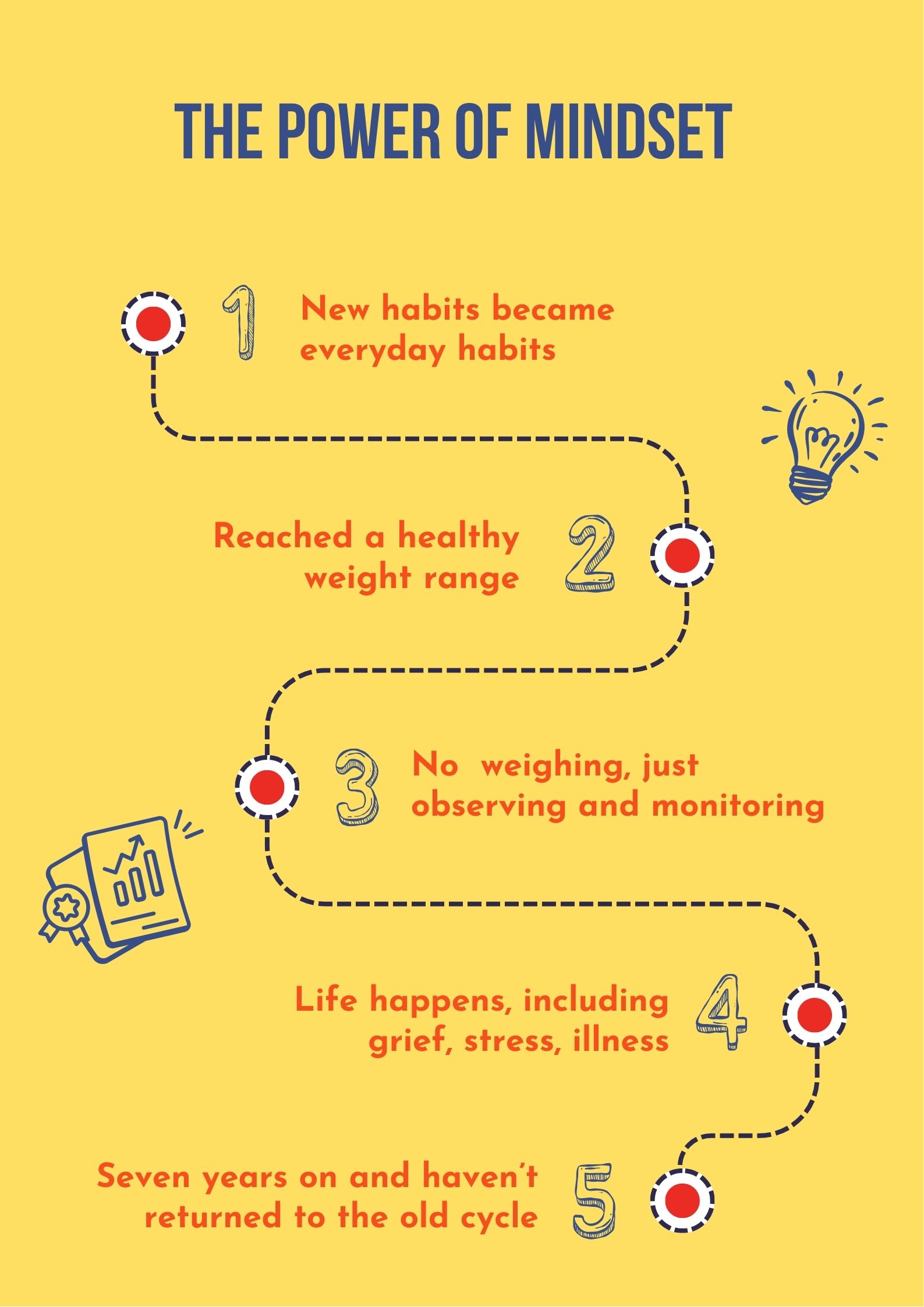
"The real change wasn't losing the weight, It was no longer needing to keep starting again."
MY TRANSFORMATION WITHOUT THE BEFORE-AND-AFTER SHAME
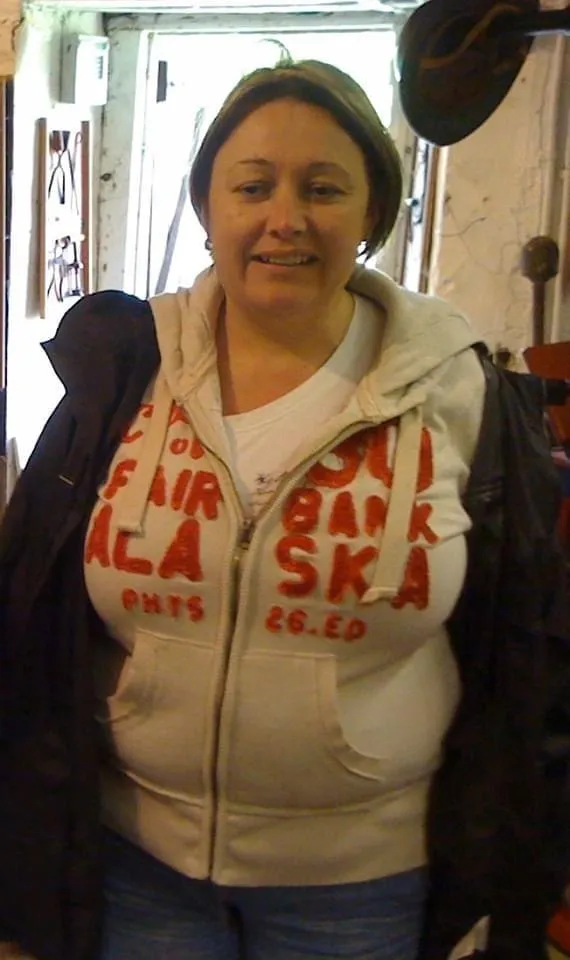
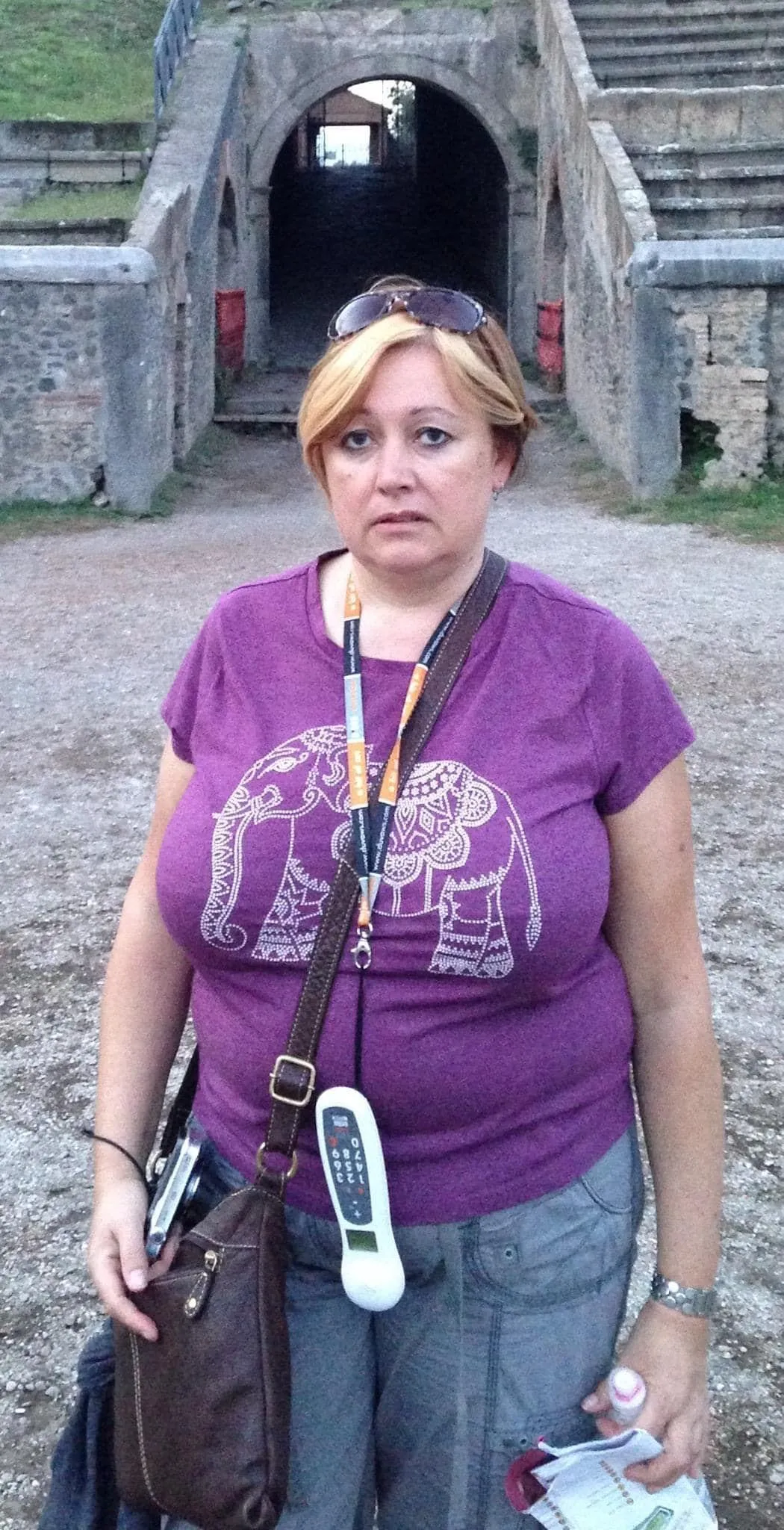
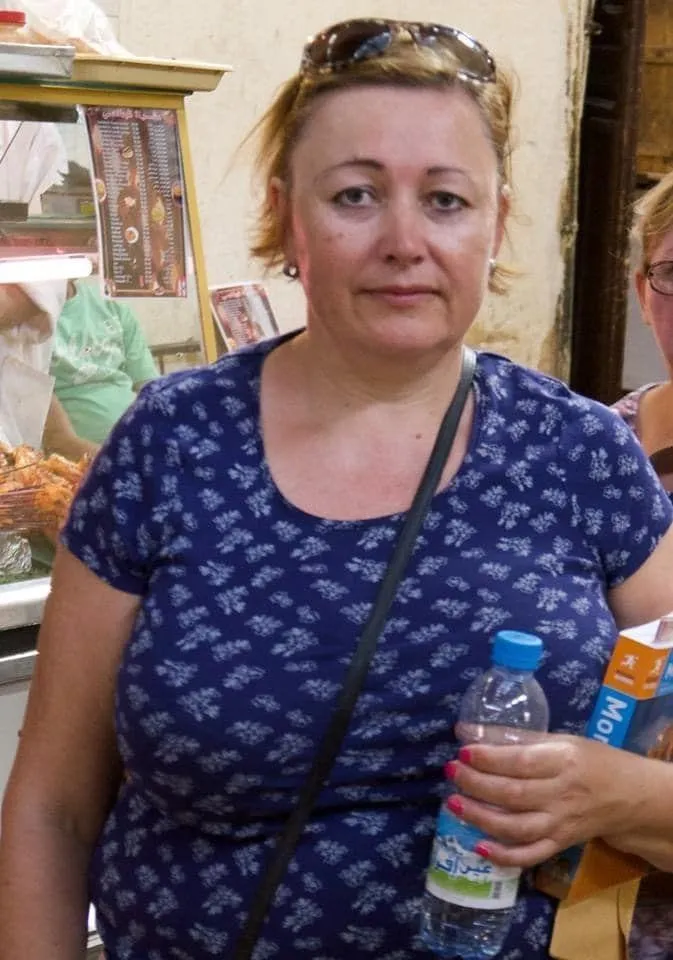
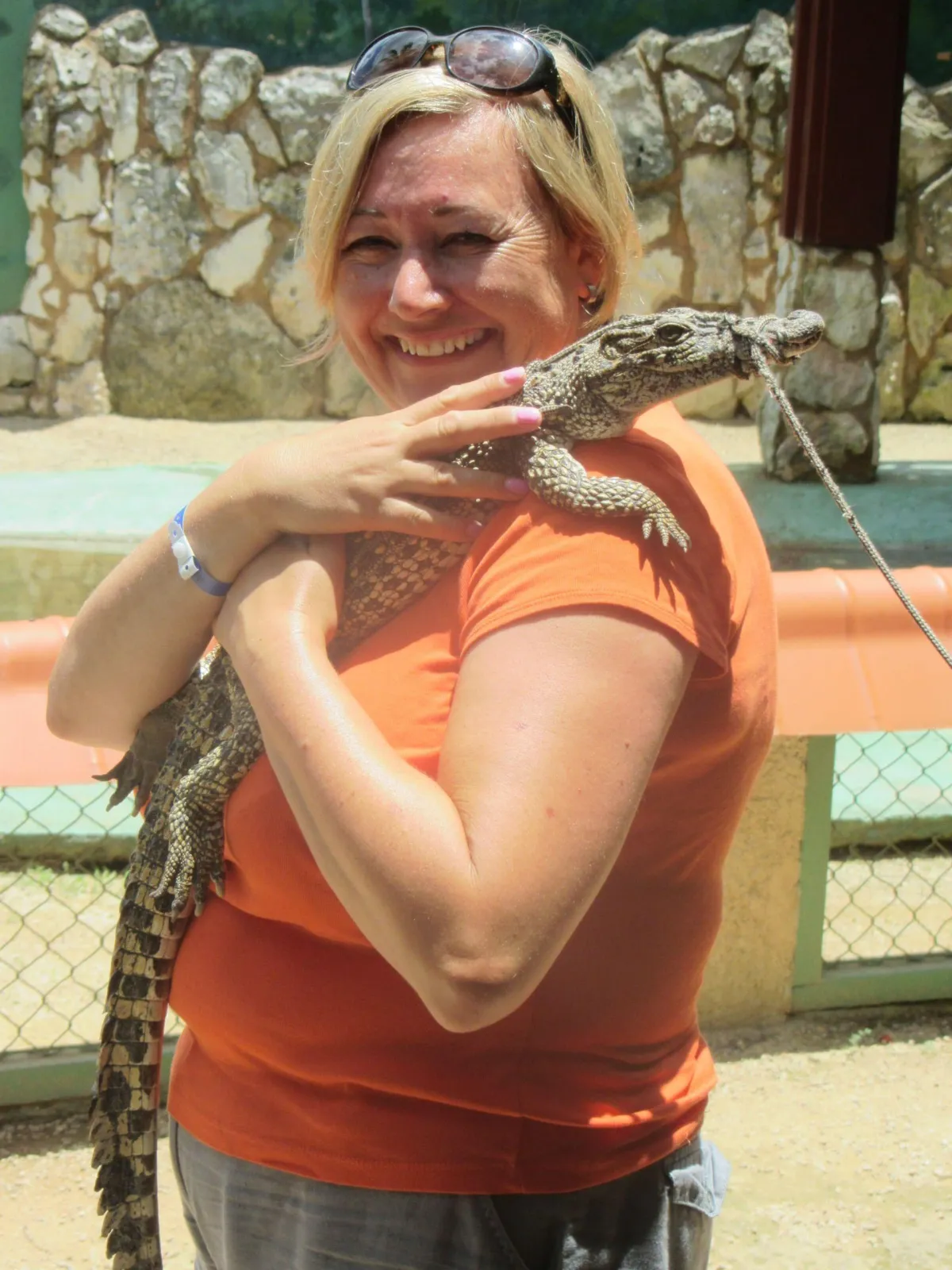
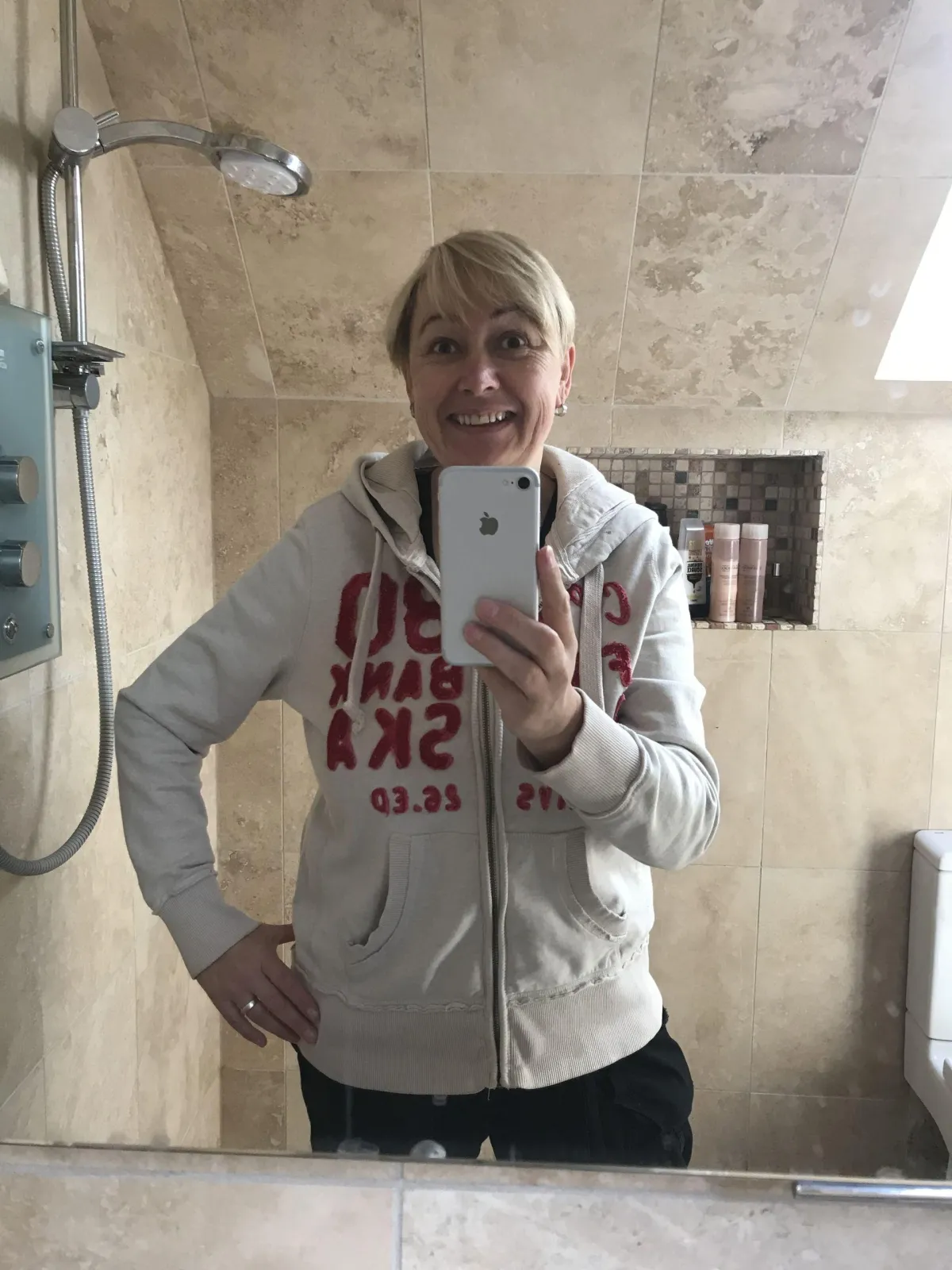
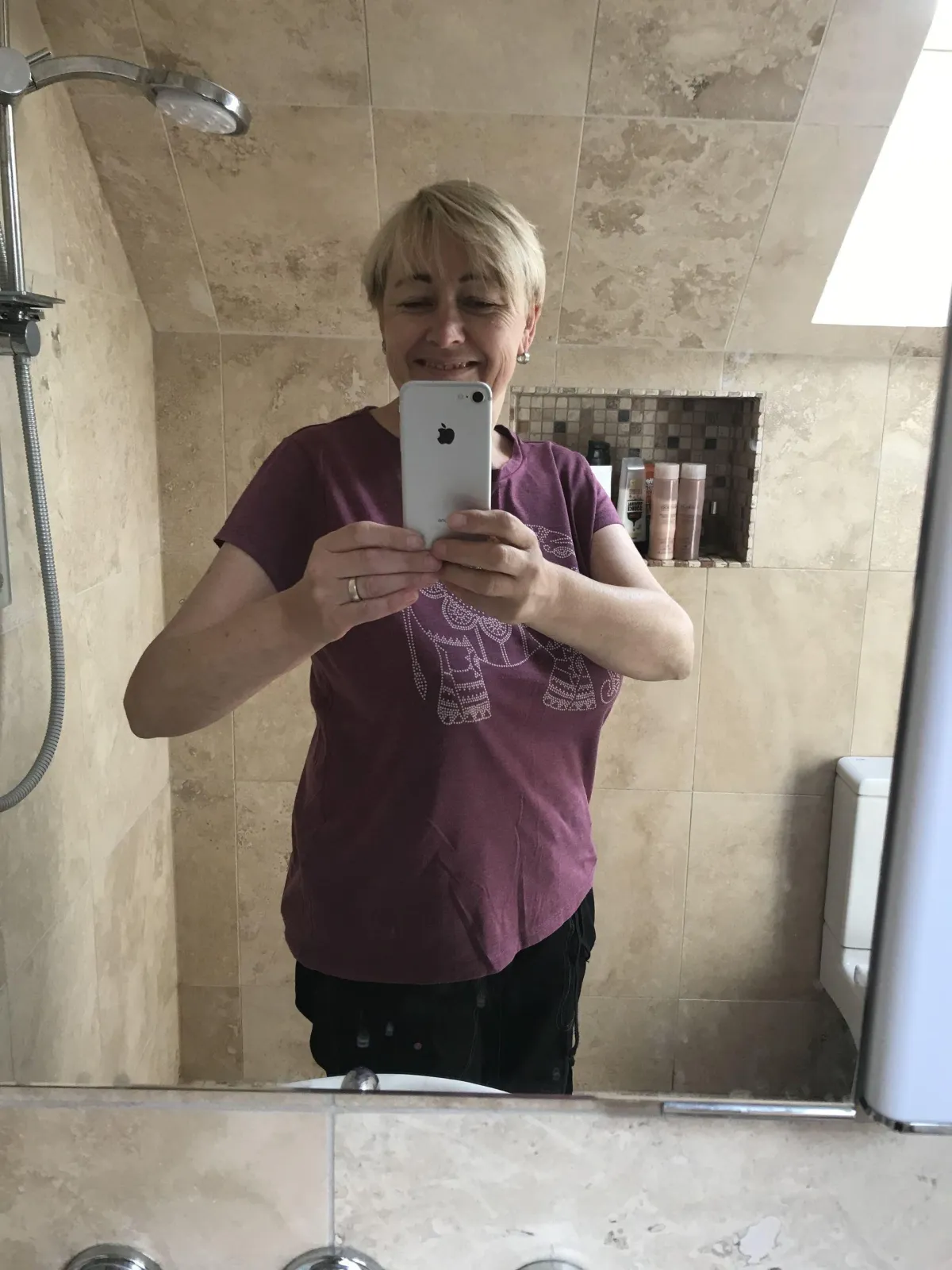
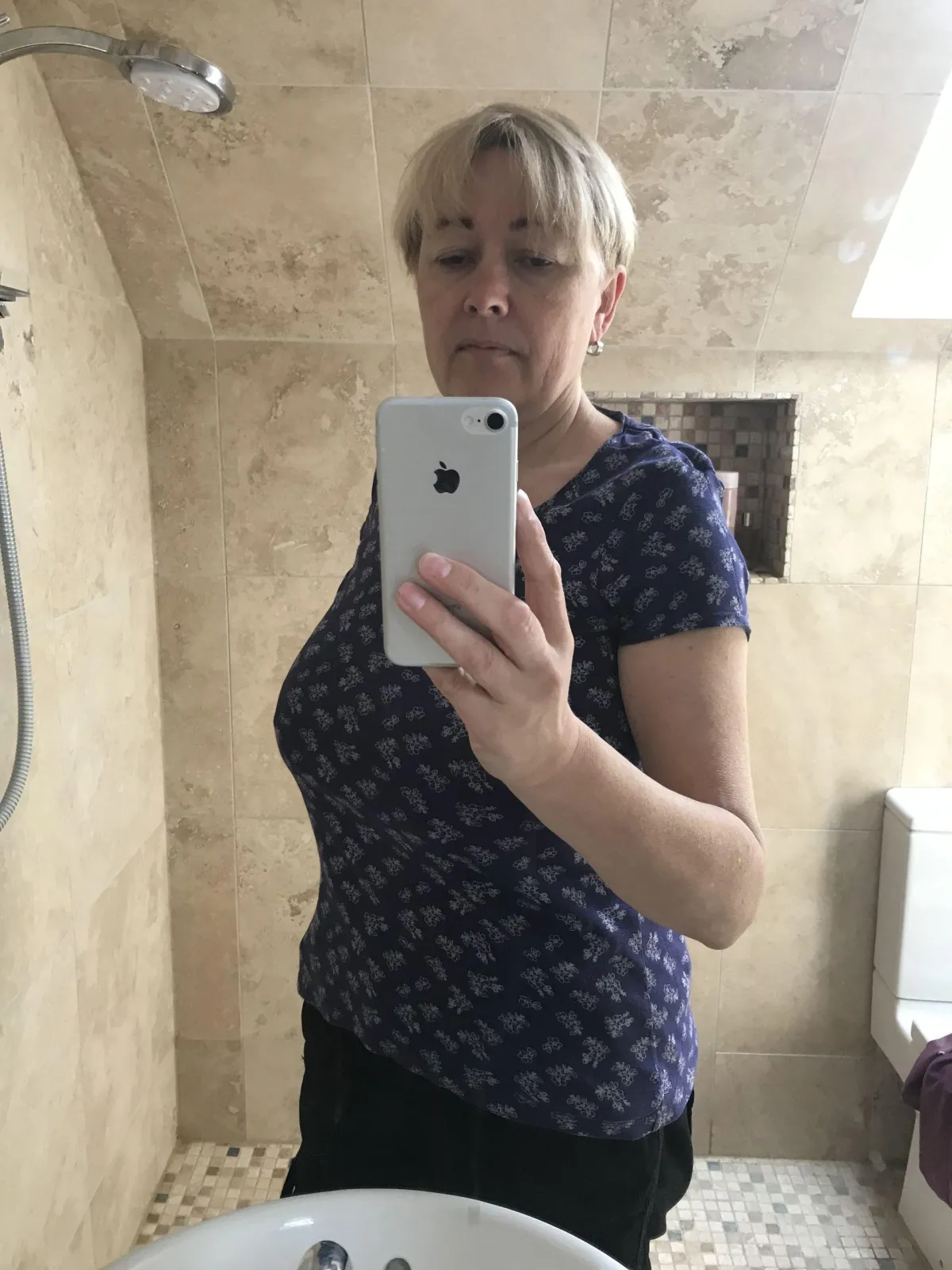
I don't usually share before-and-after photographs. Too often they're presented as though the woman in the “before” photograph is someone to be embarrassed by and the woman in the “after” photograph is somehow more successful, disciplined or worthy.
I don't see my story that way.
When I look at these earlier photographs, I don't see a woman who had failed. I see a woman working 90-hour weeks, sleeping too little and living with high levels of stress. I see someone who could relax when she was away on holiday but really didn't like her photograph taken. I see a woman doing the best she could with the knowledge, beliefs and resources she had at the time.
I have enormous compassion for her.
So these photographs aren't here to show you that one version of me was better than another. They're here because they form part of my story.
What changed wasn't simply my body. I changed my relationship with food, but I also changed my thinking, boundaries, habits, routines and priorities. I learnt to listen to myself differently and became more intentional about the way I wanted to live.
The most important transformation isn't visible in these photographs at all.

FROM MY STORY TO THE MINDSET DIET
What began as a personal experiment became a much bigger question for me: Why do so many intelligent, capable women know a great deal about what they “should” eat, yet find themselves repeatedly doing something different?
I began researching weight, eating behaviour, habits and mindset more deeply. The more I learnt, the clearer it became that weight is complex. What and how much we eat matters, but our eating is also influenced by our thoughts, beliefs, emotions, habits, environment, relationships, stress, sleep and the lives we are actually living.
I also began to recognise something that has become central to my work: Diets traditionally focus on what to eat and how much. I focus on the underlying thinking and habits that contributed to the weight gain and can make it difficult to eat in the way you already know you want to.
Those ideas eventually became The Mindset Diet. The book isn't another diet plan. It's an invitation to become curious about your own patterns and start understanding what's underneath them, so that you can make changes that feel more helpful, empowering and sustainable for you.
My own experience also taught me that this work can reach much further than food. I have a theory that how we do food is often how we do everything. The thinking that appears around eating can sometimes show up in the way we work, rest, set boundaries, respond to other people's needs and talk to ourselves.
That's one of the reasons I continue to use and teach NLP alongside my Mindset Diet work. What started as a way of understanding my own mind ultimately changed my relationship with food, my career and the way I live.
AND NOW?
Today I'm the author of The Mindset Diet, an NLP Trainer and a Health and Wellbeing Coach. I work with women who are tired of yo-yo dieting and want to understand what's really happening underneath their relationship with food. I also train people in NLP who want to explore their own patterns more deeply and develop the skills to support change in others.
Sometimes the most interesting place to begin is curiosity: What is happening now? What is this behaviour doing for me? What would I like instead? And what is one small change that could begin taking me there?
My journey to change my weight was really a story about changing my thinking.
what clients say ...
I feel much more relaxed and my problem seems to be solved. I cannot recommend Caroline highly enough.
Caroline helped me to identify old and limiting beliefs and to change them into new and supporting beliefs.
She works like a very talented surgeon, digs into all layers of old beliefs, pulls them to the surface, helping sort out which of these beliefs to keep and which are antiquated.
It was a bit like pulling old stuff out of the cupboard, throwing some of the stuff away, cleaning the rest and putting it back in a new and better order.
ANNETTE

Caroline has a magical sparkle AND creates a loving comfortable environment. Forever grateful in meeting her.
Working with Caroline has allowed me to look through my life’s window with clearer and honest eyes. I like what I see now.
I learnt so much about myself and my behaviours.
It was liberating. As though I was letting go of an older version of myself with no fear or sadness.
I use the tools Caroline shared with me in my everyday day life and forever will.
SARAH
WHERE WOULD YOU LIKE YOUR STORY TO BEGIN?
You don't need to be where I was, follow the path I followed or make the changes I made. Your patterns have their own history, and what you need may be different too.
If something in my story has made you curious about your own relationship with food, there are several ways you can begin: from exploring my free resources and reading The Mindset Diet to taking a focussed course or working with me privately.
You don't have to change everything. You can start by understanding one thing differently.
Copyright 2026 © All Rights Reserved.


